
Planning a custom hidden door project is unlike any other home upgrade. True concealment, flawless operation, and seamless design integration all demand in-depth preparation. Whether you’re after whimsical novelty or uncompromising security, the result hinges on gathering the right information, working with technical experts, and making strategic choices up front.
The earlier you start thinking about your custom hidden door project, the more options you’ll have for design and installation.
Consider your home’s layout and intended secret space. Factor in any unique needs, such as child safety, soundproofing or emergency functionality. Share these details with Creative Home Engineering to avoid getting locked into a limited solution late in your remodel or rebuild.
A custom hidden door is most successful when considering its integration from the first architectural draft rather than being retrofitted later on. Go beyond aesthetics and consider a hidden door design optimal for resale value and home utility. For example, home equity builds more quickly in houses with concealed home offices, hidden pantries or private suites. Many modern buyers consider secret doors a luxury.
No two custom concealed doors are exactly alike. Each project is crafted to fit the unique dimensions, functions and design priorities of a space.
Custom concealed doors may integrate functions like soundproofing, fire resistance and advanced security. Pinpoint the features you require during the hidden door planning phase based on the intended use. Other key project variables include the wall structure, access requirements, finishing materials and even the direction of the entrance’s swing.
Design choices like a flush hidden door eliminate visible seams with fabrication precision for complete concealment. In contrast, certain hidden bookcase door or mirror hidden door applications may require custom hardware to accommodate weight and motion.
The level of customization affects the process. Expect 50 to over 100 back-and-forth communications regarding details, options, finishes and drawings. A professional hidden door builder can help you iron out the details of your project. They can also help you navigate the challenges of weight loads, hidden hinges, unique latching and code compliance.
Consider requesting a custom hidden door quote early. The more specific you can be about style and performance expectations, the more accurate and actionable the estimate will be.
The speed, cost and accuracy of your project will improve when you collect and share comprehensive information before engineering begins. Provide detailed dimensions. Zoom out when you take photos of the installation area to give the builders the surrounding architectural context.
Submit your hidden door ideas, inspiration images, floor plans, cabinetry examples and rough sketches. The more context, the closer the finished product will meet your expectations. Accurate hidden door installation depends on knowing wall depth, adjacent trim, traffic flow and functional requirements, like whether the door should stay locked or if it will be frequently used.
If you want a secret door but are unsure where to place it, you’re not alone. A study found that 70% of homeowners cite “placement” as the biggest challenge for optimizing discreet features. Your hidden door builder can suggest location ideas based on your needs and preferences. You can also explore our gallery for hidden door inspiration and custom hidden bookcase door ideas and other styles from Creative Home Engineering’s gallery.
Experts can also help you assess overlooked elements, like the impact of hardware and reinforcement. For example, how well a hidden door construction holds up depends on its internal structure’s strength and heft. Reinforced framing can help distribute weight more evenly, which allows it to support a door with robust hardware.
For the most seamless fit and installation, Creative Home Engineering uses 3D CAD software, with unlimited revisions and exact requirement documentation.
The difference between a simple hidden bookcase door and a high-security hidden safe room door comes down to engineering and client-specific performance criteria.
Be transparent and ask detailed questions during your hidden door consultation. Early inquiries will help you uncover and address issues, like whether to prioritize security or aesthetics, if you have a strict budget. They can also improve design accuracy, speed up quoting and ensure the final product matches your goals.
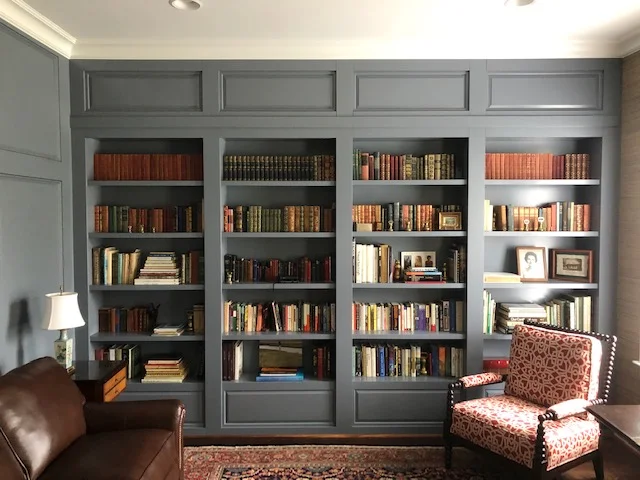
Custom bookcase door designs add both drama and function. However, they require ample wall depth, reinforced hinges and careful planning for weight support, especially if you want double-sided shelving or display niches. Mirror hidden door solutions are popular as concealed entries for bathrooms, dressing areas and bedrooms.
For open-concept homes, a built-in hidden door can seamlessly fuse with cabinetry, millwork, or continuous wainscoting. Meanwhile, a freestanding hidden door works well for temporary setups or rental properties where structural modification isn’t feasible.
You can use a hidden fireplace door for a secret passageway or reclaim dead space in stairwells with a staircase secret door. Each type involves its own engineering, security and style trade-offs. For a secret entrance in a home office or secondary suite, soundproofing, privacy, biometric entry and other required features will drive the specification.
Some people prefer traditional swing types, like in-swing or out-swing door designs, which rely on robust concealed hinges. These setups often allow for the thickest or most weight-supportive doors. Other homeowners prefer sliding, bi-fold or pivot mechanisms for special spatial or aesthetic needs.
For spaces with limited clearance, a flush hidden door with a touch-latch or minimalist handle can make the difference between easy passage and a constantly bumped panel. If high-tech or convenience features are a priority, automatic hidden doors or remote-activation options can be incorporated.
The finish and wood species you select will define the look, feel and durability of your custom hidden door for years to come. Hardwoods are ideal for modern hidden door projects because they provide both strength and a refined appearance. For high-use doors in fluctuating humidity, oak and walnut generally outperform softer or more porous woods in resisting warping and swelling.
If your luxury hidden door design needs to mimic adjacent cabinetry or trim in an older home, explore stain matching, bespoke paints and distressing effects. A flush hidden door with a high-gloss or matte finish works well in minimalist interiors. Doors that get high traffic will benefit from a finish that resists scuffs and is easy to clean.
Secret switches can be a pull book on a hidden bookcase door, a twistable candle holder, a touch sensor hidden in decorative trim or a digital touchpad concealed in a painting. Modern security needs have fueled demand for more advanced triggers, including fingerprint scanners, RFID systems or even wireless Bluetooth or smartphone-enabled options.
The right switch blends with your daily habits. Do you need something family-friendly that’s accessible for all ages, or is speed more essential, like for a hidden safe room door?
Automated activation adds next-level security. With an automatic hidden door option, you can set your door to open as soon as an encrypted sensor or validated signal is established. For example, a fireplace door would slide open when a sensor recognizes you, reducing the delay in access.

Not every custom hidden door offers the same type or level of protection. Consider your risks and objectives first. If the goal is to deter casual discovery, a secret room door or discreet storage space works well on its own. But that may not cut it if you aim to withstand forced entry.
For true threat deterrence and peace of mind, opt for a high-security hidden door with core reinforcements and multipoint locking. It could also come with ballistic-rated materials and advanced locking systems.
Consider different types of safe spaces. Compare a panic room tucked behind a built-in, hidden door versus a full bunker accessible via custom concealed doors. The former gives you a secure hiding spot during a natural disaster or home invasion, while the latter is designed to help you evade raids during hostile periods. If you live in a risky neighborhood, it’s worth the extra investment in a secured hidden door, as they help limit injury during forced-entry situations.
Clear conversations about budget will allow your hidden door builder to offer solutions optimized for value versus extravagance. Using standard sizes or finishes can keep costs in check while delivering real functional gains. Most projects requiring high security, automation, luxury custom finishes, or large installations will quickly graduate from predesigned to full custom pricing brackets.
Baseline, custom concealed doors start around $10,000, but that can rise sharply depending on complexity, size, materials and extra engineering. Being up front allows builders to avoid proposing costly features outside your range and to suggest alternative luxury hidden doors that maximize impact per dollar.
The first step is to fill out the intake form, then wait for the schedule update for your hidden door consultation. Provide detailed information from the start to accelerate the quoting, design and engineering stages. Don’t hesitate to ask questions and communicate throughout the process. With Creative Home Engineering and comprehensive planning, you can set up your custom hidden door project for success.